

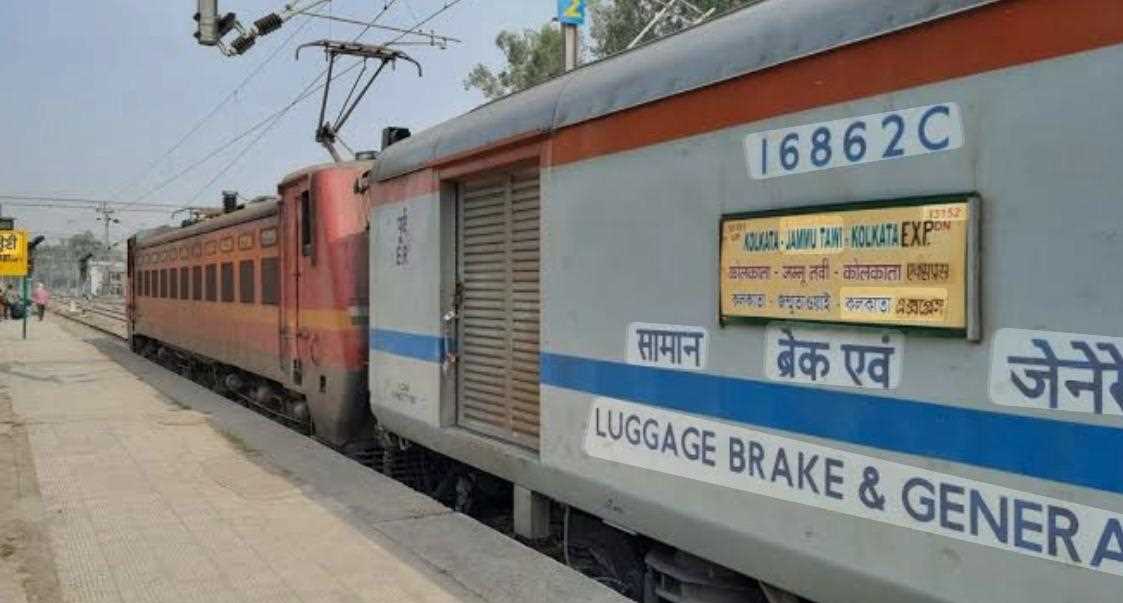
One of the most fulfilling pastimes is building a model train as it integrates engineering, creativity, history, and workmanship into one project. Experienced hobbyists often advise adopting a more pragmatic approach by growing one component at a time, despite the temptation to build a big scheme from the start. With this approach, builders may make consistent progress, develop their abilities, and eventually produce a railroad that is more realistic. Gradual growth gives various long-term benefits, regardless of your level of competence with model trains.
Improved Management Of The Budget
Better financial planning is one of the main advantages of developing in phases. Tracks, locomotives, rolling equipment, scenery, buildings, wiring, and control systems are all necessary for a whole layout. Buying everything at once might become pricey.
Hobbyists may extend their investment across months or even years by concentrating on one area at a time. Instead of opting for less expensive options, this strategy enables them to buy components of a better caliber. Additionally, it gives you time to keep an eye out for deals, locate collectibles, or buy pre-owned equipment that complements the design.
The railroad grows more pleasurable as each segment is finished without putting undue financial strain on the company.
Superior Construction Quality
Greater attention to detail is encouraged while working on smaller areas. Before proceeding, builders may meticulously create track, verify electrical connections, and polish scenery rather than racing through a whole basement or spare room.
Because any problems are found early on, this procedure often results in more seamless train operations. When just a little portion is being built, it is considerably simpler to fix issues like uneven roadbeds, electrical errors, and track alignment.
For those who like model trains, excellent building often yields much more pleasant outcomes than just finishing a vast layout fast.
Opportunities For Continuous Learning
There are new difficulties in every segment of a railroad. Bridges or industrial yards may be included in one region, city streets in another, or mountain views in a third.
With each stage of construction, enthusiasts may learn new skills. With experience, abilities like weathering freight vehicles, producing realistic water effects, setting up digital command management systems, and adding lighting naturally become better.
Each segment becomes a reasonable learning experience that boosts confidence rather than feeling overburdened by hundreds of new activities at once.
Simpler Design Enhancements
After they start building, most hobbyists ultimately come up with better ideas. Maybe a station seems too big, a curve is too severe, or an industry might be better suited somewhere else.
Gradual expansion allows for future portions to be improved without having to rebuild the whole railroad. Over time, the layout gets more realistic and useful as a consequence of the lessons learned from finished regions influencing subsequent ideas.
Compared to layouts that are completely designed before construction starts, this spontaneous development often results in railroads that seem more realistic.
Improved Train Operations Reliability
When just a fraction of the layout is finished, testing becomes significantly easier. To find issues before further extension, builders might run locomotives over freshly constructed track many times.
Because even minor track flaws might result in derailments or uneven electrical performance, reliable operation is particularly crucial. If these problems are resolved right away, they won’t spread to a much bigger railroad.
While more work is being done elsewhere, a reliable operational part also offers continuous delight.
Increased Creative Liberty
After engaging in a pastime for a while, many people find new interests. A person who was originally captivated by freight operations could eventually grow to love old steam locomotives, mountain vistas, or passenger trains.
Building section by section enables these interests to organically influence future growth. While retaining a cohesive overall design, each finished section may represent several railroad themes.
During long-term building, this flexibility keeps the project fresh and avoids creative exhaustion.
In Conclusion
A sensible tactic that blends cost, ingenuity, and skill is to expand a plan one piece at a time. It enables enthusiasts to enhance the grade of construction, acquire new abilities, keep dependable functioning, and take pleasure in ongoing advancement throughout the construction process. Rather of feeling overburdened by a massive undertaking, every section finished serves as inspiration for the subsequent phase. Whether building a large railroad empire or a small switching layout, careful planning and incremental expansion enable model trains to provide years of entertainment while generating a layout that becomes better with each new section.
