

Table of Contents
Early childhood is a time of rapid growth, when children develop language, motor skills, and the foundations of social, emotional, and cognitive abilities. During this period, children benefit most when learning environments adopt a holistic approach. This approach integrates emotional support, nutrition, movement, and opportunities for curiosity-driven learning. When these areas are intentionally combined, children are better equipped to build confidence, resilience, and a lifelong love of learning.
Building Social and Emotional Skills
Social and emotional development is a key component of early childhood learning. It sets the stage for healthy relationships, self-regulation, and the ability to cope with challenges. Children thrive when they experience predictable routines, positive interactions, and consistent expectations. These elements help them feel safe and supported, which encourages them to explore their environment and take part in group activities.
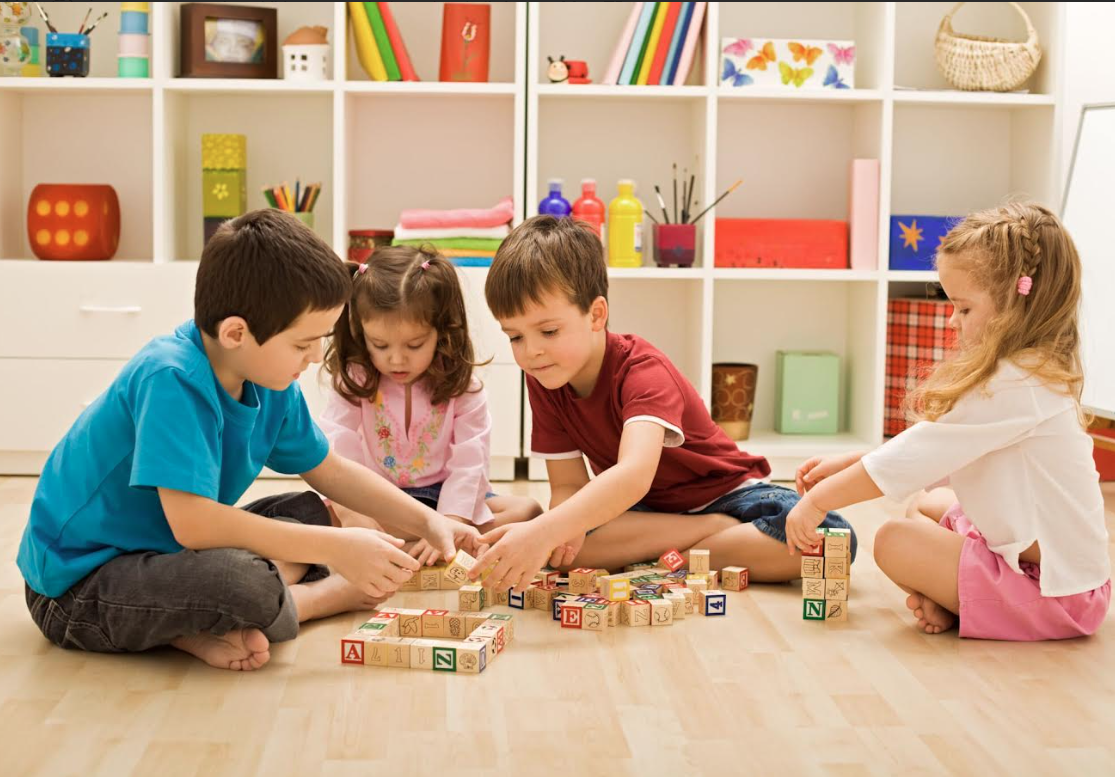
Play is a powerful tool for developing social and emotional skills. Through play, children learn how to communicate, share, take turns, and resolve conflicts. Adults can support this learning by guiding children to identify and express their emotions in a healthy way. Teaching children to recognise feelings such as happiness, sadness, or frustration helps them manage their emotions more effectively. Encouraging empathy and modelling respectful behaviour also helps children understand how their actions affect others. This supports positive social interactions and helps children build meaningful friendships.
Establishing Healthy Eating Habits
Nutrition plays a vital role in children’s growth and learning. A balanced diet supports physical development and helps children stay focused and energised throughout the day. Early childhood nutrition is important because it helps children develop healthy eating habits that can continue into adulthood. Early childhood settings can support this by offering a variety of fresh, minimally processed foods. When children are exposed to different tastes and textures, they become more open to trying new foods.

Mealtimes also offer opportunities for learning. Educators can use these moments to teach children about balance, portion sizes, and the importance of eating a range of foods. A positive mealtime environment encourages independence, such as serving themselves or helping to set the table. When children feel supported and relaxed during meals, they are more likely to develop healthy relationships with food.
Encouraging Movement and Physical Development
Movement is essential for physical, cognitive, and emotional growth. Active play supports the development of strength, coordination, and body confidence. It also supports cognitive skills, such as problem-solving and attention. Children learn about their bodies and how to control their movements through regular physical activity.
A balanced approach to movement includes both structured and unstructured play. Guided activities such as group games or obstacle courses help children learn new skills and practice teamwork. Unstructured play, such as outdoor exploration or imaginative play, allows children to make choices, take risks, and develop independence. These experiences support children’s confidence and help them build healthy habits that can last a lifetime.
Fostering Curiosity and a Love of Learning
Curiosity and creativity are fundamental to early learning. When children are encouraged to explore, ask questions, and experiment, they develop critical thinking and communication skills. Learning environments that promote hands-on activities and problem-solving help children develop confidence in their abilities.
When children are given time for self-directed play and guided discovery, they learn to approach challenges with a positive mindset. Educators can support this by observing children’s interests and extending learning through thoughtful questions and activities. This approach helps children build resilience and a strong desire to learn.
Integrating Developmental Pillars
Frameworks that bring together emotional support, nutrition, physical activity, and curiosity-driven learning help ensure all areas of development reinforce each other. A holistic framework for nurturing children’s growth shows how social, emotional, physical, and cognitive skills can be intentionally supported through daily routines. Integrating these pillars helps children build confidence, resilience, and readiness for future learning challenges.
Conclusion
Supporting holistic development in early childhood involves attending to social, emotional, physical, and cognitive growth together. When these elements are incorporated into daily routines, children develop confidence, independence, and a love of learning that continues beyond the early years.
